
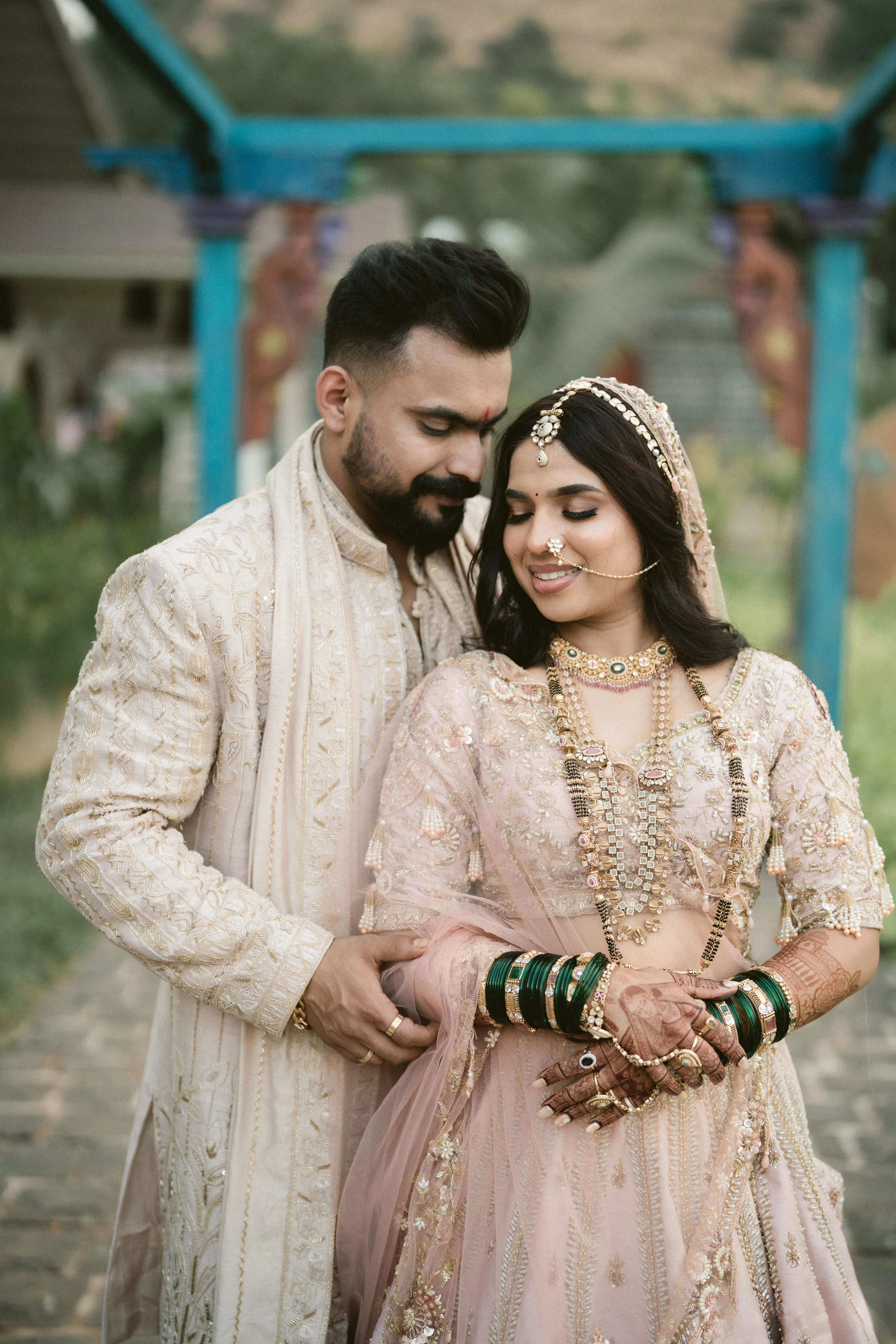
Before anyone in an affluent or high-stakes room speaks a single word to you, they have already formed an impression. This is not a criticism of superficiality - it is how human perception actually works, and it is precisely why the way you dress for these specific moments carries weight far beyond aesthetics.
As a stylist who has worked with clients preparing for everything from investor meetings to society weddings, I have watched this play out consistently: the details that shape an impression are rarely the ones people assume matter most.
What Actually Registers First
Contrary to popular assumption, the very first things registered in a new encounter are not colour, brand, or trend - they are fit, grooming, and posture. A perfectly fitted outfit in a modest fabric consistently reads as more credible and put-together than an expensive piece that hangs wrong or looks unmaintained. This is good news, in a sense: it means the highest-leverage investment is tailoring and upkeep, not necessarily spend.
Why Restraint Reads as Confidence
In genuinely affluent circles - boardrooms, family offices, established social settings - restraint consistently outperforms maximalism. A tightly edited, coherent outfit signals that the wearer made deliberate choices rather than trying too hard to impress. This is the same underlying logic behind quiet luxury: the absence of visible effort is itself a form of confidence.
"The clients who walk into a room and immediately command quiet respect are rarely the most dressed-up. They are the most put-together - which is a completely different skill." - Srushti Misal
The Enclothed Cognition Effect
There is a well-documented psychological phenomenon called enclothed cognition - the idea that what you wear does not just affect how others perceive you, it measurably affects how you think and behave. Dressing intentionally for a high-stakes moment - a board meeting, a client pitch, a first meeting with in-laws - can genuinely shift your own posture, tone, and confidence in the room, not merely the audience's perception of you.
Dressing for Specific High-Stakes Moments
Business and Investor Settings
Fit and fabric quality outrank logos entirely here. A well-tailored blazer in a neutral tone, minimal jewellery, and impeccable grooming communicate competence far more effectively than a heavily branded outfit. The goal is to be remembered for the conversation, not the outfit.
Family and Social Introductions
These moments call for warmth balanced with polish - a well-fitted, culturally appropriate outfit in a flattering colour, without excessive statement pieces that draw attention away from genuine connection.
Formal Wedding and Society Events
This is where the balance shifts slightly toward more visible elegance, but the same underlying rules apply - a single well-chosen statement piece rather than several competing ones, and impeccable fit above all else.
The Details Most People Miss
- Footwear condition: Scuffed or worn shoes undermine an otherwise excellent outfit faster than almost any other detail.
- Ironing and pressing: A wrinkled outfit, regardless of quality, reads as careless in a high-stakes setting.
- Posture: Clothing that fits properly at the shoulder and waist naturally encourages better posture, which is itself part of the first impression.
- Consistency between outfit and setting: An outfit perfectly suited to one context can misfire badly in another - reading the room correctly is part of the styling decision, not separate from it.
Before Your Next High-Stakes Moment
Try the outfit on the day before, not the morning of. Check the fit under good lighting, confirm it is pressed, and make sure shoes are clean. Small preparation removes the single largest source of last-minute anxiety.
Why This Matters More at the Top
In affluent and executive circles specifically, first impressions carry outsized weight because these rooms often involve limited time and high trust requirements - a single meeting or introduction can determine an entire relationship or deal. Dressing with intention in these settings is not vanity. It is a genuine competitive advantage, learnable and improvable with the right guidance.
Cultural Nuance: Indian vs Western High-Stakes Settings
Dressing psychology is not entirely universal, and this matters for clients moving between Indian and international business or social contexts. In many Indian professional settings, particularly those involving family businesses or traditional industries, a degree of visible respect for occasion and hierarchy - through fabric choice, colour, and modest tailoring - carries more weight than it might in a purely Western corporate environment, where extreme minimalism is often the safer default.
Conversely, Indian clients meeting international investors or partners sometimes overcompensate with more visible formality than the setting actually calls for. The safest calibration in cross-cultural high-stakes settings is a well-tailored, quality piece in a neutral palette - formal enough to signal seriousness in either context, without leaning so heavily into one cultural register that it reads as unfamiliar with the room.
Building Your Own First-Impression Wardrobe
Rather than treating every high-stakes moment as a separate, stressful shopping decision, it is far more effective to build two or three "high-stakes ready" outfits in advance - already fitted, already pressed, already tested under real lighting, and kept aside specifically for these moments. This removes the last-minute scramble entirely and means you can focus your actual mental energy on the meeting or event itself, rather than on what to wear to it.
Keep these ready-made outfits reviewed at least twice a year, since fit can shift and fabrics can date faster than expected. A quick check-in before a busy season of meetings or events ensures the outfit that once made a strong first impression still does exactly that, rather than quietly working against you without your realising it.
None of this requires a large wardrobe. Two or three genuinely reliable, well-fitted outfits, maintained properly and rotated with confidence, will carry you through most high-stakes moments a career or social calendar demands - far more effectively than a large closet of untested options you reach for under pressure.
Frequently Asked Questions
How quickly do people form a first impression based on appearance?↓
Within seconds of meeting someone, often before a word is exchanged, based heavily on grooming, fit, posture, and overall visual coherence.
What do people notice first when forming an impression?↓
Fit and grooming register before colour, brand, or trend. A well-fitted, modest outfit reads as more credible than an expensive, ill-fitting one.
How should I dress for a high-stakes business or social setting?↓
Prioritise fit and fabric over logos, choose a restrained palette, ensure impeccable grooming, and select one confident accessory rather than several.
Can dressing well actually change how confident I feel?↓
Yes - enclothed cognition describes how what you wear influences your own behaviour and confidence, not just how others perceive you.
Have a High-Stakes Moment Coming Up?
Get Dressed With Intention with Srushti Misal
A quick styling session ensures you walk in exactly as prepared as you feel.
WhatsApp SrushtiOr explore personal styling
More Posts You'll Love
Written by
Srushti Misal
Founder & Lead Stylist at Stylist Srushtee
Srushti Misal is a NIFT Kangra-trained personal stylist and wedding stylist based in Pune, India. With 120+ wedding looks curated across India and 50+ Bollywood projects, she specialises in luxury bridal styling, wardrobe transformation, and colour analysis. Featured in Mid-Day as a Wonder Women Entrepreneur of India (April 2026).
Read Full Bio