There is a persistent myth that being well-dressed means never repeating an outfit - that a genuinely stylish wardrobe must contain an endless, ever-rotating supply of new pieces. In my experience styling clients across every budget level, the opposite is almost always true. The most confidently dressed women I work with repeat far more than most people assume, and they do it on purpose.
Repetition as Strategy, Not Compromise
The distinction is not whether an outfit is repeated, but how deliberately. A wardrobe built around a small number of exceptional, versatile pieces - worn frequently, styled slightly differently each time - reads completely differently from a wardrobe that repeats out of a lack of options. The former signals confidence and taste. The latter can read as under-resourced. The visual difference is often just in the restyling.
The Psychology of a Signature Style
Many of the most recognisable, well-dressed public figures have a consistent visual identity - a signature colour palette, a preferred silhouette, a small handful of pieces they return to again and again. This is not laziness. It is a form of visual branding that makes them instantly recognisable and removes an enormous amount of daily decision fatigue. Choosing a signature is a decision made once, which then saves hundreds of small decisions afterward.
"The clients who ask me 'is it okay to wear this again' are almost always the ones who look the most put-together, because they have already done the hard work of finding what actually works for them." - Srushti Misal
How to Repeat an Outfit Without It Reading as Repetition
Change the Accessories, Not the Core Piece
The same dress reads entirely differently with a structured blazer and heels at one event versus a relaxed cardigan and flats at another. Accessories - jewellery, bags, outerwear, footwear - are the actual variable that creates the sense of a "new" outfit, while the core piece stays consistent.
Change the Context
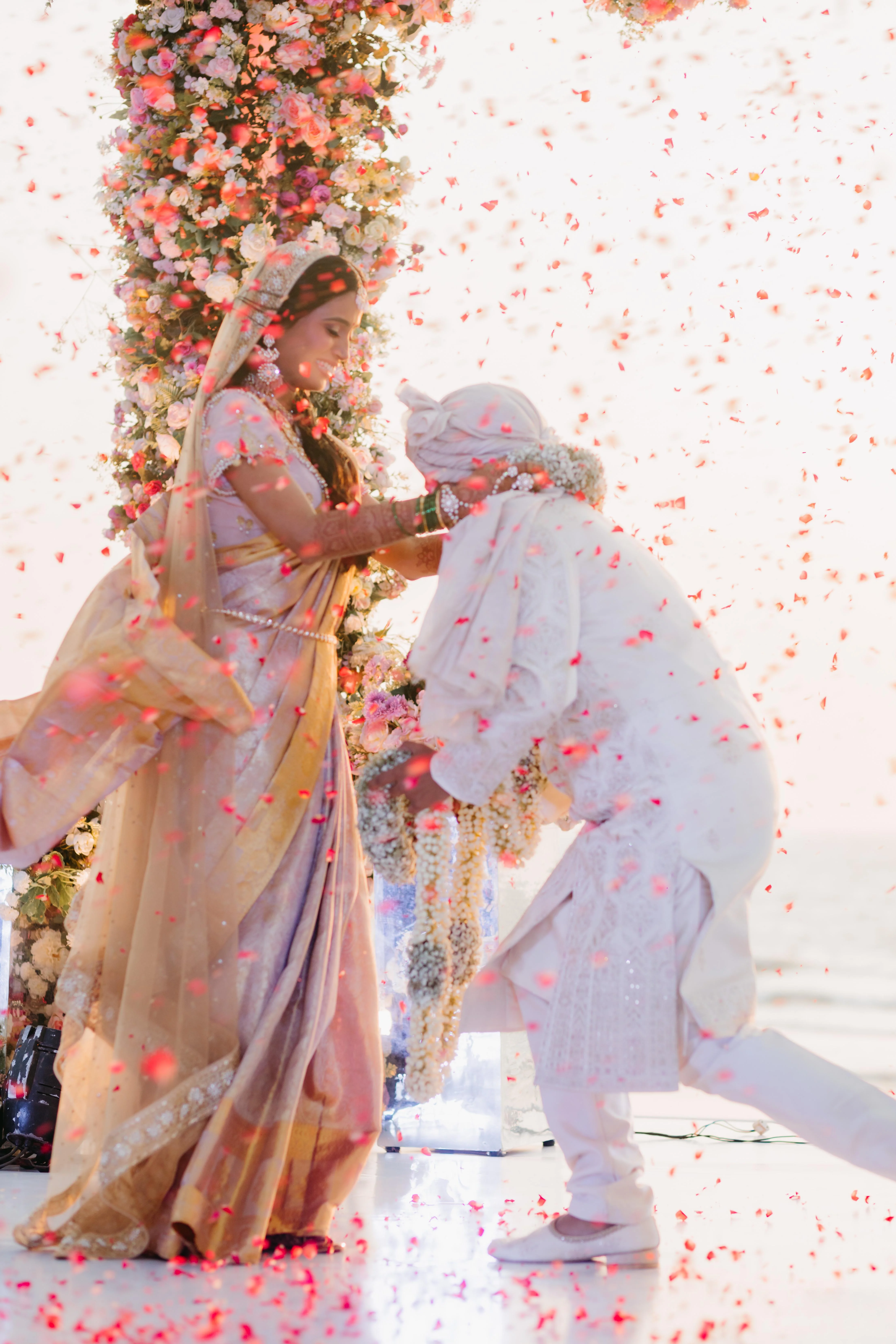
A saree worn to a family function reads differently from the same saree worn to a formal dinner, simply because of the setting, the draping style, and who else is present. Context does real work in how repetition is perceived, often more than the outfit itself.
Let the Piece Be Exceptional Enough to Deserve Repeating
This only works when the core piece is genuinely high quality - a beautifully cut dress, a well-tailored suit, a fine saree. A mediocre piece repeated often reads as exactly that. An exceptional piece repeated often reads as a signature.
Why This Is Actually More Sustainable and More Cost-Effective
Repetition, done deliberately, is directly connected to cost-per-wear - the framework of judging a purchase by price divided by number of wears. A ₹40,000 outfit worn 30 times over several years costs far less per wear than a ₹4,000 outfit worn twice before it is discarded or forgotten. Genuinely wealthy dressers often understand this instinctively: buying fewer, better pieces and wearing them constantly is both a style strategy and a financial one.
The Social Media Effect
A significant driver of "outfit repetition anxiety" is the assumption that every outfit must be photographed once and never seen again - a pressure created largely by how frequently we now document our lives. Before this became the norm, repeating a beloved outfit for a decade was simply normal dressing. Recognising this pressure for what it is - a relatively recent cultural shift, not a real rule of style - makes repetition far easier to embrace with confidence.
Try This
Pick one exceptional piece already in your closet and wear it three different ways over the next month - different accessories, different layering, different context. Notice how differently it reads each time, despite being the same core garment.
Building Your Own Signature Rotation
Identifying two or three pieces that consistently receive compliments, that you reach for without hesitation, and that fit your lifestyle and body well is the first step toward a genuine signature style. These become the pieces worth repeating deliberately - and worth investing in more heavily than the rest of your wardrobe, precisely because they will be worn the most.
How I Help Clients Build Their Own Rotation
During a style analysis, one of the exercises I use is asking a client to name, without looking in her closet, the three outfits she feels most confident in. Almost everyone can answer instantly - and almost everyone is surprised by how short and specific the list is. Those three answers usually reveal the actual signature pieces worth investing further in, rather than spreading budget thin across dozens of untested purchases.
From there, we typically identify one or two gaps - an occasion the current rotation does not yet cover well - and focus new spending there, rather than replacing pieces that are already working. This is a very different process from typical shopping, which tends to add without ever auditing what already earns its place.
A Small Experiment Worth Trying
For the next month, try wearing your three most-complimented outfits on a deliberate rotation, styled slightly differently each time, and pay attention to how it feels rather than how it looks. Most clients report feeling more, not less, put-together once the daily "what do I wear" decision is effectively removed. That shift in ease is very often the real, underappreciated benefit of repetition done with intention - separate from anything anyone else notices or comments on.
This is worth revisiting every few months rather than treating it as a one-time exercise. As your lifestyle, body, and preferences shift over time, the specific pieces in your rotation should shift with them - the underlying principle of deliberate, confident repetition stays the same, even as the wardrobe evolves around it.
Frequently Asked Questions
Is it acceptable to repeat outfits often?↓
Yes, and it is common among genuinely well-dressed and wealthy individuals as a deliberate strategy rather than a compromise, signalling confidence and consistency.
What is a signature style and why does it matter?↓
A consistent set of colours, silhouettes, and pieces someone returns to repeatedly, reducing decision fatigue and building visual consistency that reads as intentional.
How do you repeat outfits without looking like you own only a few clothes?↓
Change accessories, layering, and context rather than the core piece, so the same item reads as intentional restyling rather than repetition.
Does outfit repetition save money in the long run?↓
Yes - wearing fewer, higher-quality pieces frequently lowers their cost-per-wear significantly compared to buying many pieces worn only once or twice.
Want a Signature Style of Your Own?
Book a Style Analysis with Srushti Misal
Find the two or three pieces worth investing in and repeating with confidence.
WhatsApp SrushtiOr view style analysis pricing
More Posts You'll Love

Written by
Srushti Misal
Founder & Lead Stylist at Stylist Srushtee
Srushti Misal is a NIFT Kangra-trained personal stylist and wedding stylist based in Pune, India. With 120+ wedding looks curated across India and 50+ Bollywood projects, she specialises in luxury bridal styling, wardrobe transformation, and colour analysis. Featured in Mid-Day as a Wonder Women Entrepreneur of India (April 2026).
Read Full Bio