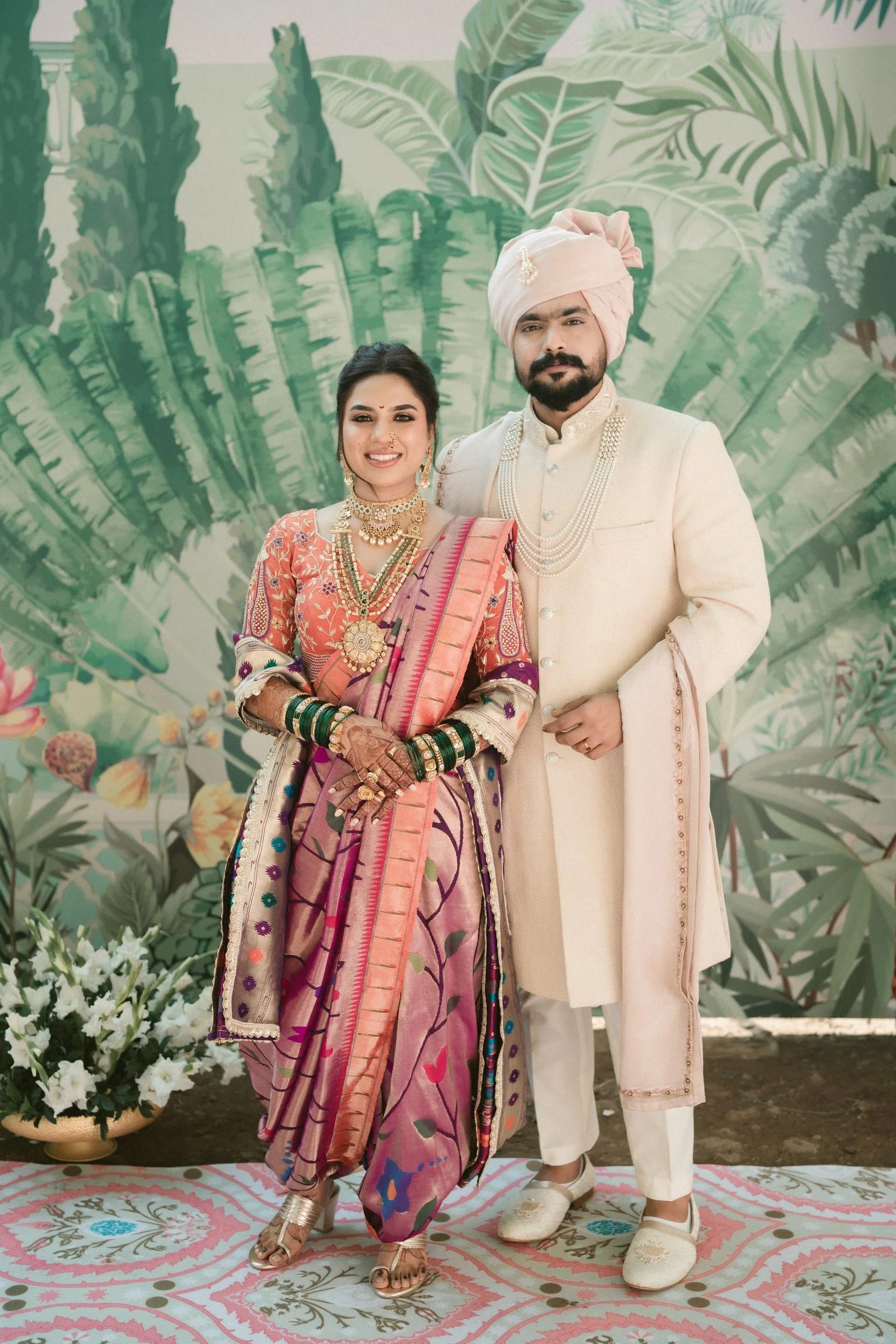
The Maharashtrian bride is one of the most recognisable in India - and one of the most misunderstood. Get the Nauvari drape, the nath, or the palette slightly wrong and the whole look tips from regal to costume. Get it right and there is nothing more striking.
I'm Srushti Misal, a NIFT Kangra-trained stylist and founder of Stylist Srushtee, based in Warje, Pune. I've styled 120+ weddings, many of them Maharashtrian, and I make YouTube shorts on the styling mistakes I keep seeing and on what a real Maharashtrian bride actually looks like in 2026. Here is everything, in one place.
What Does a Maharashtrian Bride Wear?
A traditional Maharashtrian bride wears a Nauvari (nine-yard) saree or a Paithani or Shalu in colours like green, yellow, or maroon, paired with a mundavalya, nath, green bangles (chuda), and a crescent bindi called chandrakor. The look is completed with a kolhapuri saaj, tanmani, and mogra flowers.
Unlike the lehenga-led looks common in North Indian weddings, the Maharashtrian bride is defined by the saree and by jewellery worn in a very specific way. The Nauvari is draped in the distinctive kashta style, pleated at the back like a dhoti, which historically allowed freedom of movement. The blouse is usually short-sleeved or elbow-length in a contrasting rich tone. For brides drawn to a lehenga instead, our roundup of top Indian bridal lehenga trends pairs beautifully with Maharashtrian jewellery for a fusion ceremony.
What Is the Traditional Maharashtrian Bridal Jewellery?
Traditional Maharashtrian bridal jewellery includes the nath (a paisley-shaped pearl nose ring), mundavalya (pearl strings tied across the forehead), kolhapuri saaj, tanmani, thushi, vaaki, and green glass bangles known as chuda. Gold and pearls dominate, and a crescent chandrakor bindi finishes the look.
Each piece carries meaning, and the way they layer together is what makes the look unmistakably Marathi. Here is the jewellery decoded:
| Item | What it is | Significance |
|---|---|---|
| Nath | Paisley-shaped nose ring set with pearls and often a coloured stone (Maharashtrian or Peshwai style) | The signature Marathi bridal ornament; a mark of the married woman and regional identity |
| Mundavalya | Horizontal strings of pearls tied across the forehead for bride and groom | Worn during the wedding rituals to symbolise focus and union |
| Kolhapuri saaj | Traditional gold necklace with distinctive leaf-shaped pendants and a central motif | A heritage piece from Kolhapur, considered auspicious for married women |
| Tanmani | Short pearl choker with a central gemstone pendant | Adds the layered pearl richness that defines the Marathi neckline |
| Thushi | Close-fitting choker of tightly clustered tiny gold beads | A classic Maharashtrian neckpiece worn snug at the throat |
| Green chuda | Set of green glass bangles, often mixed with gold patlya and tode | Green signifies fertility, creativity, and new beginnings |
| Vaaki | Armlet worn on the upper arm, usually in gold | Completes the traditional silhouette on a short-sleeved blouse |
| Chandrakor bindi | Crescent-moon shaped bindi, often with a red dot centre | The defining forehead detail of the Maharashtrian bride |
When you plan your jewellery, plan your storage and sourcing alongside it - our bridal trousseau checklist for India covers exactly what to buy, borrow, and inherit so nothing is forgotten on the morning of the wedding.
The most common Maharashtrian bridal styling mistake I see is treating the look as a checklist of every heirloom at once - nath, thushi, tanmani, vaaki, chandrakor and green chuda, all at full volume. The result competes with the bride's face instead of framing it. Choose two or three hero pieces to lead, and let the rest support quietly.
Nauvari vs Shalu vs Paithani - Which to Choose?
Choose a Nauvari (nine-yard drape) for the wedding ceremony and rituals, a Paithani (handwoven silk with peacock and lotus motifs) for the reception or a grand second look, and a Shalu (rich silk wedding saree) as the classic ceremony option. Many brides wear all three across their events.
Nauvari
The nine-yard Nauvari, draped in kashta style, is the most traditional and most photographed Maharashtrian bridal look. It suits the core wedding rituals where movement matters. Lighter pre-stitched Nauvari sarees now make this drape accessible for brides who worry about holding it all day.
Shalu
The Shalu is a heavy silk saree, traditionally in deep reds and maroons with gold zari, gifted to the bride and worn for the ceremony. It reads richer and more formal than a cotton-silk Nauvari, and is often the family heirloom choice.
Paithani
Handwoven in the town of Paithan, the Paithani is prized for its peacock, lotus, and parrot motifs and its oblique square pallu. Its jewel tones - peacock blue, magenta, purple, and green - make it a stunning reception or muhurta saree. A Paithani is an investment piece worth building a whole look around.
💡 Stylist tip: don't over-match your metals
A common mistake I see is pairing an antique-gold nath with bright polished-gold necklaces. Keep your nath, saaj, tanmani, and thushi in one tonal family - either all warm antique gold or all bright gold - so the layers read as one heritage set, not a mix of eras.
What Colours Are Traditional for a Maharashtrian Bride?
Green is the most auspicious colour for a Maharashtrian bride, symbolising fertility and new beginnings, and is echoed in the green chuda. Yellow, maroon, red, and the Paithani's purple, magenta, and peacock tones are also traditional, while pastels and ivory are the popular modern alternatives in 2026.
Because green carries such weight, most brides keep at least one element - the saree, the blouse, or the chuda - firmly in that family even when the rest of the palette is modernised. If you want to understand how colour behaves under wedding lighting and against your skin tone, that is exactly the kind of decision we work through in a wedding styling consultation.
Ceremony-Wise Maharashtrian Bridal Looks
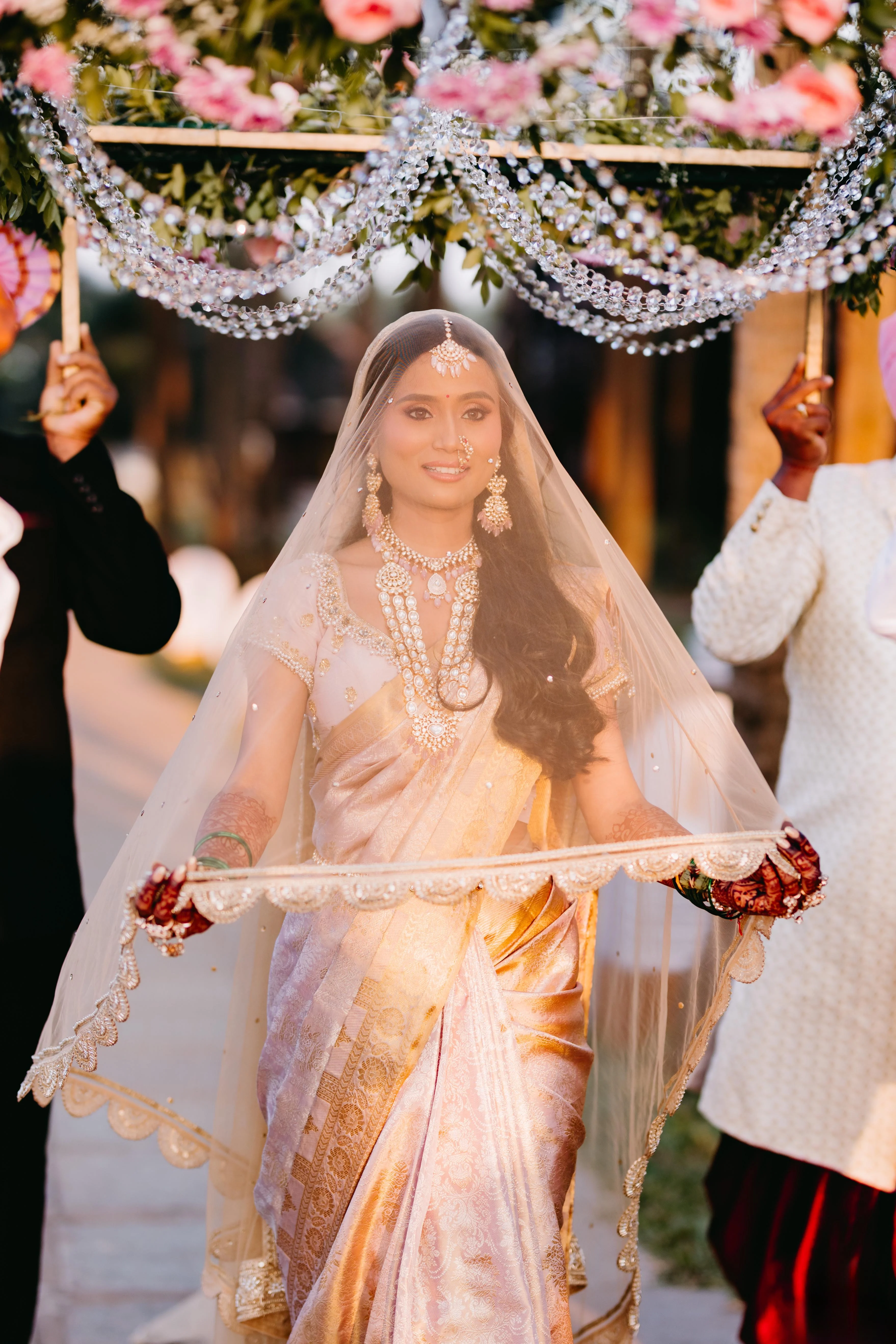
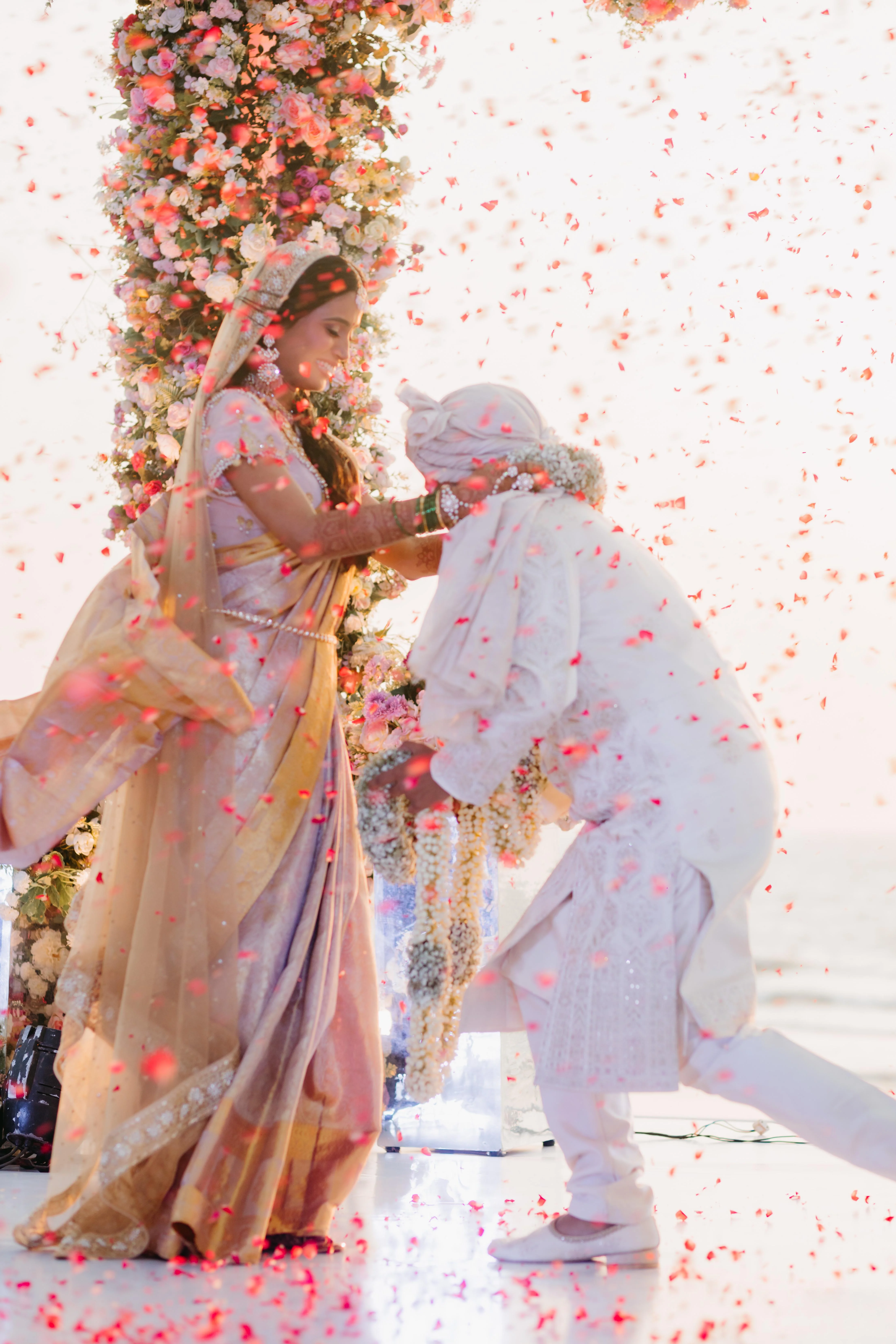
A Maharashtrian wedding usually spans Haldi, Mehendi, the wedding muhurta, and a reception, and each calls for a different weight and mood. The wedding muhurta is where the full Nauvari, nath, and mundavalya come together; the other events are lighter and more playful.
- Haldi: A yellow cotton or khan saree, minimal jewellery, mogra in the hair, and skin left glowing. Comfort and movement matter most here.
- Mehendi / Sangeet: A brighter Paithani-inspired saree or a fusion look, with a statement nath and lighter neckpieces for dancing.
- Wedding muhurta: The full traditional look - Nauvari or Shalu, mundavalya, nath, kolhapuri saaj, tanmani, green chuda, vaaki, and chandrakor bindi.
- Reception: A grand Paithani or a modern silhouette that keeps signature elements like the nath and chandrakor while updating the drape and palette.
For a deeper event-by-event breakdown that also works for mixed-tradition weddings, see our guide on what to wear for Haldi, Mehendi and Reception. If your celebration includes South Indian rituals through family or partner, the nalangu dress code guide helps you coordinate those looks too.
How to Style a Modern Maharashtrian Bride in 2026?
In 2026, a modern Maharashtrian bride keeps signature elements like the nath, chandrakor bindi, and green chuda while updating the palette to pastels, sage, or ivory, choosing a lighter pre-stitched Nauvari, and adding contemporary blouse cuts, statement Paithani dupattas, and minimal fresh-flower styling.
The goal is never to erase tradition - it is to let it breathe. The brides I style in Pune today want to be unmistakably Maharashtrian in the photos their grandmother will recognise, while feeling current and comfortable. That balance comes from editing, not adding: one hero element (usually the nath or the Paithani), a restrained palette, and jewellery layered with intent rather than piled on.
"I wanted my aaji to see a real Marathi bride, but I also wanted to feel like myself. Srushti kept the nath, the chandrakor and the green chuda, and softened everything else into sage and ivory. It was completely me." - Pune bride, 2026
Practical 2026 updates that keep the look authentic:
- A pre-stitched or ready-drape Nauvari for all-day comfort without losing the kashta silhouette
- Modern blouse cuts - boat necks, elbow sleeves, tasteful backs - under a traditional saree
- A single statement heirloom (nath or saaj) instead of maximal layering
- Fresh mogra and greens over heavy hair accessories
- Pastel and ivory Paithani-inspired weaves for the reception, with the green retained in bangles or blouse
Frequently Asked Questions
What does a Maharashtrian bride wear?↓
She wears a Nauvari (nine-yard) saree or a Paithani or Shalu in green, yellow, or maroon. The look is paired with a mundavalya, nath, green chuda, kolhapuri saaj, tanmani, and a crescent chandrakor bindi.
What is the traditional Maharashtrian bridal jewellery?↓
Key pieces are the nath, mundavalya, kolhapuri saaj, tanmani, thushi, vaaki, and green chuda bangles. Gold and pearls dominate, and a chandrakor bindi finishes the forehead.
Nauvari vs Shalu vs Paithani - which should I choose?↓
Wear a Nauvari for the wedding rituals, a Shalu as the classic silk ceremony saree, and a Paithani for the reception or a grand second look. Many brides mix all three across their events.
How do you style a modern Maharashtrian bride in 2026?↓
Keep the nath, chandrakor bindi, and green chuda, then update the palette to pastels, sage, or ivory. Choose a lighter pre-stitched Nauvari, modern blouse cuts, and minimal fresh-flower styling.
What colours are traditional for a Maharashtrian bride?↓
Green is the most auspicious, symbolising fertility and new beginnings, and is echoed in the green chuda. Yellow, maroon, red, and the Paithani's purple and peacock tones are also traditional.
Planning a Maharashtrian Wedding?
Get Your Bridal Look Styled by Srushti Misal
Pune-based, NIFT-trained, 120+ weddings styled, 42 five-star reviews. Wedding styling from ₹24,999, bridal moodboard from ₹5,499. Free 30-minute discovery call.
💬 Usually responds within 1 hour · Book 3-6 months ahead
More Posts You'll Love
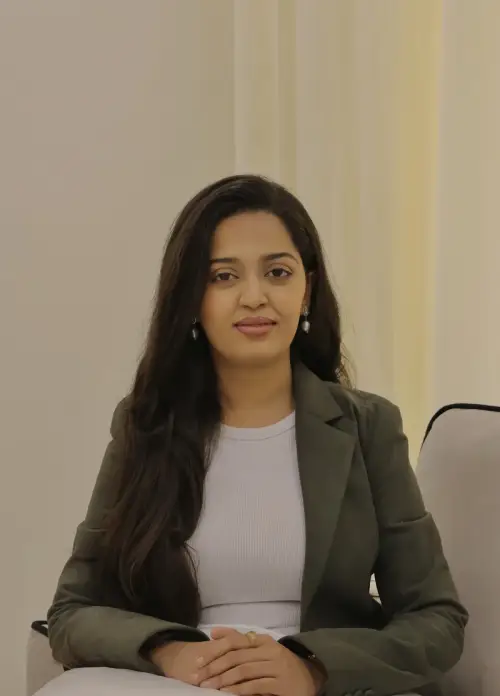
Written by
Srushti Misal
Founder & Lead Stylist at Stylist Srushtee
Srushti Misal is a NIFT Kangra-trained personal stylist and wedding stylist based in Pune, India. With 120+ wedding looks curated across India and 50+ Bollywood projects, she specialises in luxury and regional bridal styling, including Maharashtrian brides. A guest lecturer at Fergusson College, she was featured in Mid-Day as a Wonder Women Entrepreneur of India (April 2026).
Read Full Bio