Clients frequently use "designer" and "bespoke" as if they mean the same thing - both signalling something expensive and exclusive. They do not describe the same process at all, and understanding the actual difference changes both what you should expect and what you should be willing to pay.
Designer Clothing, Defined
Designer clothing refers to garments created and sold under a named designer's or brand's label, typically produced in a range of standard sizes across a production run - whether that run is a mass-market retailer or a small-batch luxury label. Even at the highest price points, most designer clothing follows a standard sizing system (like S/M/L or numeric sizes) built to fit a broad population reasonably well, not one specific individual's exact measurements.
Bespoke Clothing, Defined
Bespoke clothing is made entirely from scratch for one specific person. It starts with detailed individual measurements, often a unique paper pattern cut specifically for that person's body, and multiple fitting sessions as the garment is refined and adjusted before completion. No two truly bespoke garments are identical, even when made by the same tailor for two different clients of similar build - the pattern itself is unique to the individual.
"Bespoke is not just a nicer word for expensive. It describes an entirely different process - one built around your specific body, not an average body your size roughly resembles." - Srushti Misal
Where Made-to-Measure Fits In
A commonly confused middle ground is made-to-measure, which starts from an existing standard pattern and adjusts it to an individual's measurements, rather than creating an entirely new pattern from scratch. It offers a meaningfully better fit than off-the-rack designer pieces, at a lower cost and shorter timeline than true bespoke, making it a practical middle option for many occasions.
| Aspect | Designer (Off-the-Rack) | Made-to-Measure | Bespoke |
|---|---|---|---|
| Pattern | Standard, mass-produced | Standard, then adjusted | Unique, built from scratch |
| Fittings | None (try before buying) | 1 to 2 | Multiple, over weeks |
| Timeline | Immediate | 2 to 4 weeks | Several weeks to months |
| Fit precision | Approximate | Good | Exact |
When Bespoke Is Genuinely Worth It
Bespoke makes the most sense for garments that will be worn repeatedly over years and where fit is the single most important factor - a groom's wedding sherwani or suit, a signature blouse pattern a bride will reuse for multiple saree draping styles, or foundational business wardrobe pieces worn weekly. The investment in time and cost is justified by frequency of wear and how significantly fit affects the final result for these specific garment types.
When Designer or Made-to-Measure Is the Better Choice
For pieces worn less frequently, or where timeline constraints make bespoke impractical - a single-event outfit, a trend-driven piece, or anything needed within a few weeks - a well-fitted designer piece, ideally adjusted by a good tailor afterward, delivers most of the visual benefit without the full bespoke investment of time and cost.
Applying This to Indian Wedding Wear
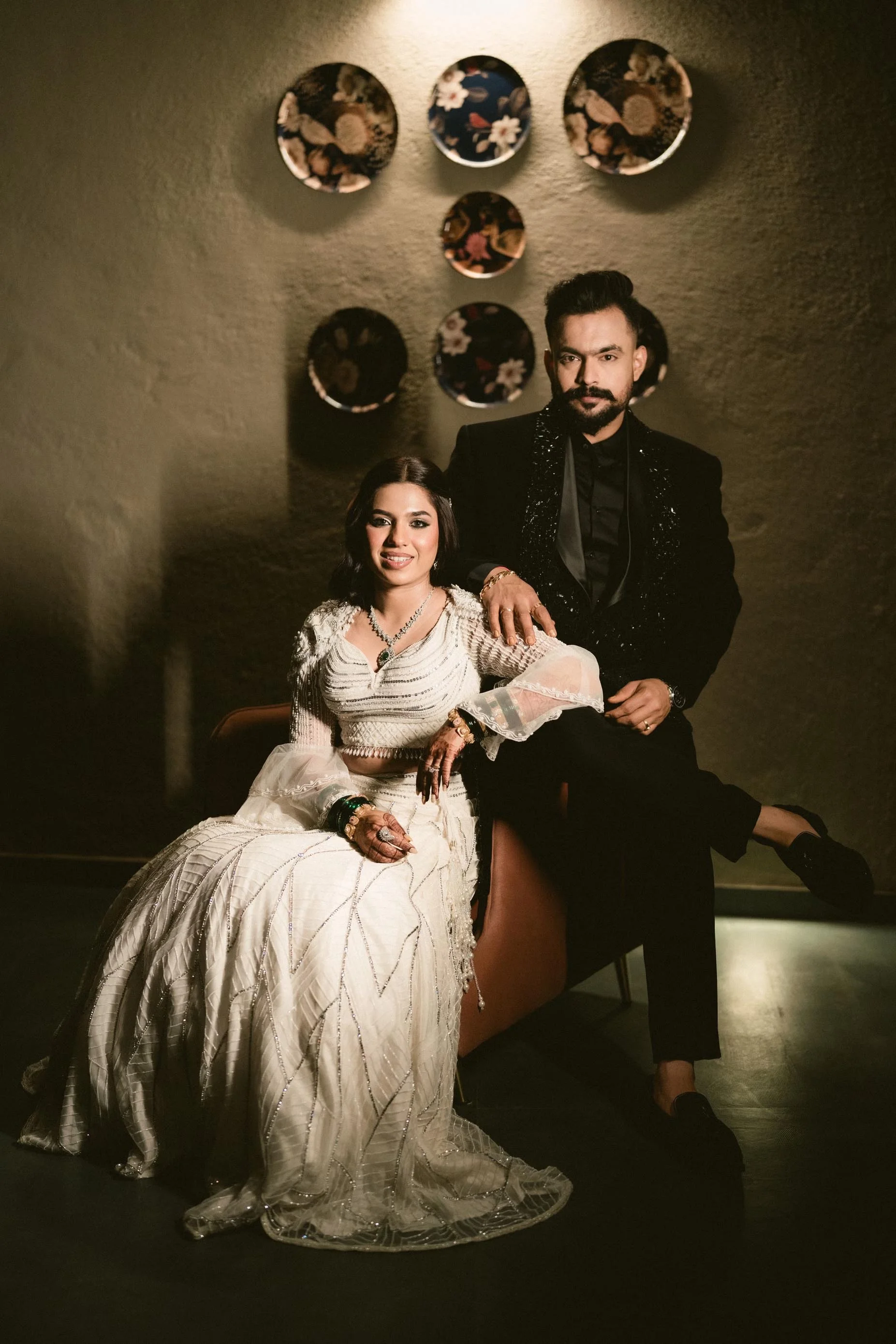
This distinction matters enormously for Indian wedding wardrobes. A groom's sherwani is one of the strongest cases for true bespoke tailoring - it is worn for the most photographed day of his life, and fit issues (particularly at the shoulder and length) are highly visible in photographs. Bridal blouses, similarly, are frequently custom-fitted even when the saree or lehenga itself is a designer piece, because blouse fit affects how the entire outfit drapes and photographs.
Planning Ahead Matters
A genuine bespoke garment needs weeks to months of lead time for fittings and refinement. For wedding wear specifically, this means starting the tailoring process 3 to 4 months before the event, not the final few weeks.
The Real Takeaway
Neither option is universally "better" - they solve different problems. Designer clothing offers speed, immediate try-on, and often broader style variety. Bespoke offers precision fit and true personalisation, at the cost of time and typically higher price. Knowing which garments in your wardrobe genuinely warrant the bespoke investment - and which do not - is the actual skill worth developing.
What Actually Happens During a Bespoke Fitting Process
For anyone considering bespoke for the first time, the process itself is worth understanding, since it differs significantly from a typical shopping experience. The first appointment involves detailed measurements - often 20 to 30 individual data points for a garment like a sherwani or suit - followed by fabric selection and initial pattern drafting. A first fitting, sometimes called a baste or muslin fitting, uses a rough, unfinished version of the garment purely to check proportions and structural fit before any final stitching happens.
Subsequent fittings refine details - sleeve length, shoulder line, the exact break of a trouser hem - with the tailor making adjustments between each session. This iterative process is precisely why bespoke takes considerably longer than any other option, and precisely why the fit achieved is genuinely unmatched by a standard pattern, however well made.
Clients considering bespoke for the first time should expect three to five fitting sessions for a complex garment like a wedding sherwani, and should factor this timeline into wedding planning well ahead of the final week.
Finding a Genuinely Skilled Tailor
The single biggest risk with bespoke is working with someone who advertises the term without the underlying skill to back it up. Ask to see finished work on real clients, not just sketches or fabric samples, and ask specifically how many fittings their process includes - a genuine bespoke tailor will describe an iterative process without hesitation, because that iteration is precisely what justifies the cost and timeline. A tailor who promises a "bespoke" garment in a single fitting is very likely offering made-to-measure under a more premium-sounding name.
Frequently Asked Questions
What is the difference between designer and bespoke clothing?↓
Designer clothing is produced by a labelled brand in standard sizes. Bespoke clothing is made entirely from scratch for one individual, with a unique pattern created specifically for them.
Is bespoke the same as made-to-measure?↓
No. Made-to-measure adjusts an existing standard pattern to your measurements, while bespoke creates an entirely new, unique pattern from scratch.
Is bespoke always better than designer clothing?↓
Not necessarily - it depends on the occasion, timeline, and budget. Bespoke makes the most sense for garments worn repeatedly over years, like a wedding sherwani or signature blouse.
How long does a bespoke garment take to make?↓
Typically several weeks to a few months, involving multiple fittings as the pattern is refined - plan well ahead for wedding wear specifically.
Deciding Between Designer and Bespoke?
Get Guidance from Srushti Misal
A stylist can help you decide which pieces genuinely warrant the bespoke investment.
WhatsApp SrushtiOr explore wedding styling
More Posts You'll Love
Written by
Srushti Misal
Founder & Lead Stylist at Stylist Srushtee
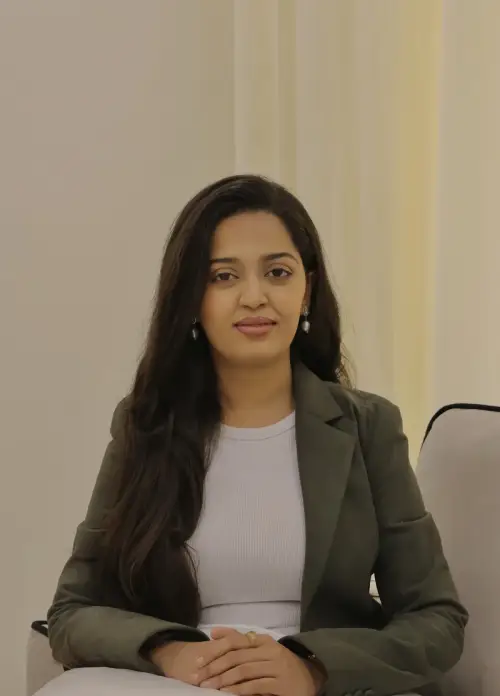
Srushti Misal is a NIFT Kangra-trained personal stylist and wedding stylist based in Pune, India. With 120+ wedding looks curated across India and 50+ Bollywood projects, she specialises in luxury bridal styling, wardrobe transformation, and colour analysis. Featured in Mid-Day as a Wonder Women Entrepreneur of India (April 2026).
Read Full Bio